


.jpg.2610011615555.webp)
The call may sound informal. A detective says they want to “clear a few things up” and asks you to come to the station for questioning. You have not been arrested, and the officer may even tell you that you are not in trouble.
That does not mean the conversation is harmless.
If police want to question you about a criminal investigation in California, what you say can affect whether you are arrested, whether charges are filed, and how prosecutors ultimately approach your case. Getting a criminal defense attorney involved before answering questions may give you options that disappear once the investigation moves forward.
Do I Have to Go to the Police Station for Questioning?
If a detective simply asks you to come to the station for a voluntary interview, you generally do not have to agree.
A request for questioning is different from a lawful detention, arrest, subpoena, or court order. If the encounter is voluntary, you can decline to participate and speak with an attorney before deciding how to respond.
You also do not have to prove your innocence by talking to investigators. Many people agree to be interviewed because they believe that explaining what happened will clear up a misunderstanding. The problem is that you may not know what evidence the police already have or why they are asking particular questions.
Why Would a Detective Ask for a Voluntary Interview?
Police may request a voluntary interview because they are still building their case.
Detectives may be seeking statements that corroborate other evidence, resolve inconsistencies, establish a timeline, or provide information they currently lack. Even seemingly minor details can become important later.
Another common misconception involves Miranda warnings. Police generally must provide Miranda warnings before a custodial interrogation. If you voluntarily participate in a non-custodial interview, however, officers may be able to question you without reading those warnings. Your statements can still potentially be used as evidence.
That is why hearing “you are not under arrest” should not automatically make you feel comfortable answering questions.
Can I Ask for a Lawyer Before I Have Been Arrested?
You do not need to wait until an arrest to contact a California criminal defense lawyer.
In fact, the period before charges are filed can be one of the most important stages of a criminal case. This is often referred to as the pre-file investigation stage.
When we become involved during a pre-file investigation, we can communicate with law enforcement on our client’s behalf and evaluate what investigators are seeking. Depending on the circumstances, we may also begin preserving evidence, including surveillance footage, text messages, digital records, social media content, and witness statements.
We can also determine whether any information should be presented to prosecutors before they make a filing decision.
There are no guarantees that early representation will prevent charges. However, waiting until after an arrest can mean missing an opportunity to address weaknesses or gaps in context before the prosecution’s version of events takes shape.
What Should I Avoid Doing After a Detective Contacts Me?
One of the biggest risks is going to the station alone because you believe you can simply “clear things up.”
Police interviews are not ordinary conversations. Investigators may ask the same question in different ways, challenge your recollection, confront you with other evidence, or focus on inconsistencies in your answers.
It is also important to be careful about discussing the investigation with friends, coworkers, or family members. Conversations, texts, emails, and social media messages may later become relevant evidence. Communications with your attorney, by contrast, are generally protected by the attorney-client privilege.
Another mistake is assuming that you should wait to see whether charges are actually filed before contacting an attorney. By then, opportunities available during the pre-file stage may already be gone.
How Can a Criminal Defense Attorney Help During a Pre-File Investigation?
Our approach begins with understanding exactly what has happened. Who contacted you? What did the detective say? What offense may be under investigation? Have officers already spoken with other people?
From there, we can take over communications with law enforcement and determine whether giving any statement is in your best interest.
We may also conduct our own investigation, preserve evidence, interview witnesses, and provide prosecutors with facts or legal issues that may not be reflected in the police investigation.
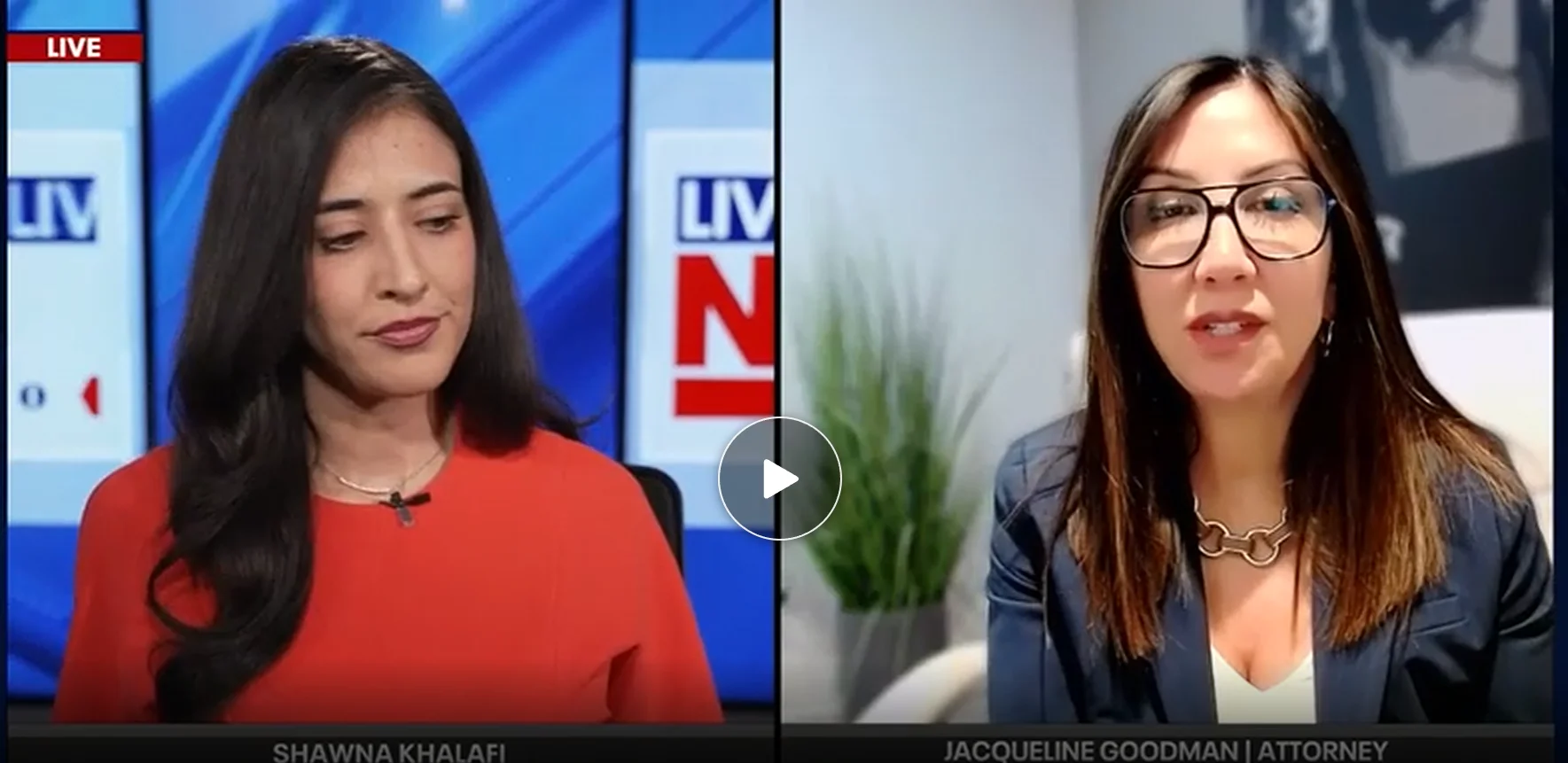
For 30 years, we have defended people facing serious criminal allegations throughout Orange County, Riverside, San Bernardino, and across California. Jacqueline Goodman is a State Bar Certified Specialist in Criminal Law, and our focus begins well before a case reaches the courtroom.
Talk to a California Criminal Defense Lawyer Before You Answer Questions
If a detective wants you to come in for questioning and you have not been arrested, do not assume you have to make that decision alone. Speaking with a criminal defense attorney before participating in an interview can help you understand what the police are asking, what rights you have, and what options may still be available before charges are filed.
If you have been contacted by law enforcement in Orange County, Riverside, or San Bernardino, The Law Offices of Jacqueline Goodman can help you evaluate your next steps.

.jpg.2605291244548.webp)